
Individuals with psychosis experience an altered sense of reality. They have issues with the way they interpret the world around them, and their thinking can be confused. They may experience hallucinations, such as hearing voices that aren’t there, or delusions, such as believing they have special powers.
Psychosis may be caused by a mental illness, such as schizophrenia, bipolar disorder or severe depression. It can also be induced by drug use, or less commonly in response to a stressful event. Psychosis affects people differently. Some may experience a single psychotic episode that lasts a few days or weeks, and for some, it can be a long-term condition.
Symptoms may include: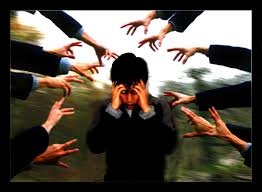
- Confused thinking: thoughts don’t join up properly, causing confusion. Thoughts may speed up or slow down, sentences may be unclear and hard to understand, and they may have difficulty following a conversation.
- Delusions: the person may hold beliefs that are not usual for someone of the same cultural background. This can take different forms, such as paranoia (thinking they are being watched or singled out for harm), grandiosity (believing they have special powers or are an important religious or political figure) or depressive (believing they are guilty of a terrible crime).
- Hallucinations: the person may see, hear, feel, smell or taste something that doesn’t actually exist. Auditory hallucinations are the most common form: hearing voices that are not there.
Sometimes a person with psychosis can act inappropriately, such as laughing at sad news or becoming angry for no apparent reason.
The symptoms of psychosis can be disturbing, affecting concentration, memory, and ability to plan. Hallucinations may cause distress and agitation. People suffering from psychosis may find it difficult to understand and communicate their feelings. Psychosis can cause people to feel apathetic, lack motivation and withdraw from contact with others. A simple task, such as washing up, can seem like a major event.
About 3% of people will experience psychosis at some time in their lives. Most people affected by psychosis experience their first episode in their late teens or early 20s. Medication, psychological therapy, and community support can help reduce symptoms, allowing people to live a normal life. It’s important to see a doctor if you think you may have symptoms of psychosis. Treatment is available for people with psychosis.
In severe cases, someone with psychosis may be at risk of self-harm, or harming others. If you or someone you know has attempted or is at risk of attempting to harm themselves or someone else, please call triple zero (000). If you need to talk call Lifeline on 13 11 13 for crisis support. Treatment is available to help you with psychosis to manage your symptoms.
If you have any questions or would like to make an appointment, please contact us on 8448 1106.